
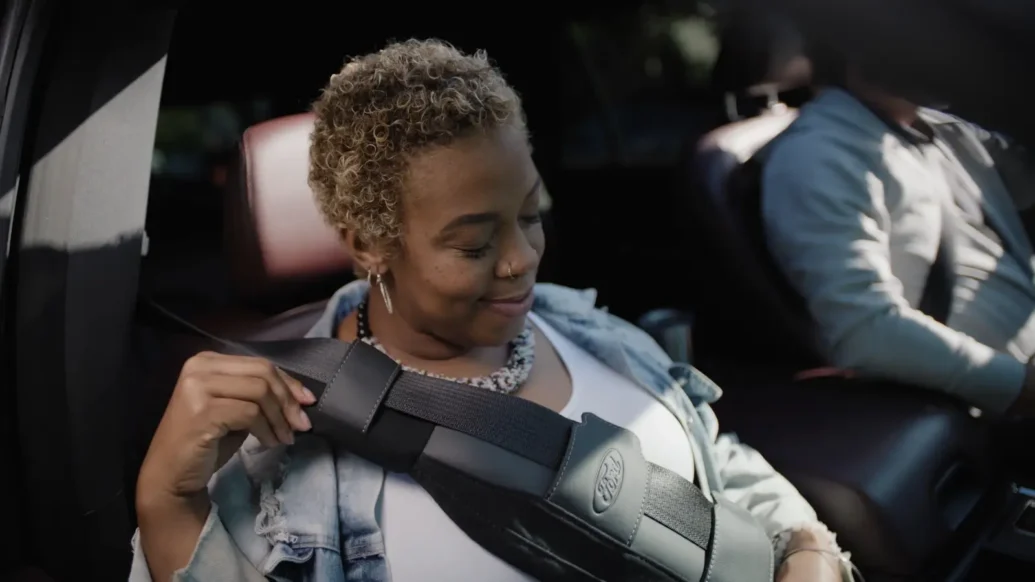
Having undergone a double mastectomy after a breast cancer diagnosis in 2022, Lynn Simoncini found herself impacted daily by the pain inflicted by a life-saving device we all take for granted – the seatbelt. Rather than accepting it, she set about finding a way to resolve the problem, and SupportBelt was born.
For most of us, a seatbelt tightly fastened across the chest presents nothing more than an occasional irritation, but for those still healing from this type of major surgery, even a short journey can be agonising.
With no current solutions available, Simoncini began hashing out ideas. As a creative director at VML — a marketing partner with Ford — and a self-confessed car lover, Simoncini was in the perfect position to get the ball rolling, with her initiative shaping the creation of the Ford SupportBelt.
“I couldn’t believe there wasn’t a product made that makes your seat belt comfortable to wear and that also happens to look good,” said Simoncini. Together with her partner, Chad Woolums, she set about drafting a proposal for a belt add-on specifically for post-mastectomy patients.
Once the proposal was complete, Simoncini presented her idea to Ford Experience Design Director Emily Obert. With her guidance, a team, including design intern Rima Shkoukani, began developing the SupportBelt alongside engineers to ensure the design met Ford quality standards.
The contoured SupportBelt, which has been designed and developed by Ford, is made from soft, breathable foam wrapped in suede-like fabric constructed from nearly 40% recycled PET water bottles. It attaches to the seatbelt using a Velcro fastener and helps relieve pressure on the chest, reducing discomfort when driving or being driven in a car.

The SupportBelt, the only device of its kind to have been designed and validated by a car manufacturer, will initially be offered free of charge by Ford to mastectomy patients in the US. Lear Corp., a global leader in automotive seating and e-systems, will manufacture the first batch of devices in the US, with the first shipment expected by mid-November.
According to the World Health Organisation, breast cancer is the most common form of cancer suffered by women in 157 countries. In the US alone, around 100,000 women and men undergo a mastectomy or the removal of breast tissue annually as part of their treatment plan.
Ford has filed a patent for SupportBelt and intends to open it up to other manufacturers to enable the scaling of production globally for those who need it.
“The surgery is so much more intense than one can imagine. Residual pain and sensitivities can last for months after surgery, making exposure to everyday objects painful and uncomfortable. It is also likely that there is a need for additional follow-up surgeries that make the need for this product ongoing past the initial mastectomy,” commented Dr Nayana Dekhne, breast surgeon for Corewell Health, a Michigan not-for-profit health system that provided medical expertise during the development of the SupportBelt.
“To know that an automaker is really thinking about the person, the whole person, and is doing research around things that make women more comfortable, I think is really great,” said Najah Woods, who was diagnosed with breast cancer in 2023.
“The SupportBelt demonstrates the profound impact that thoughtful design can have on healing,” says Obert.
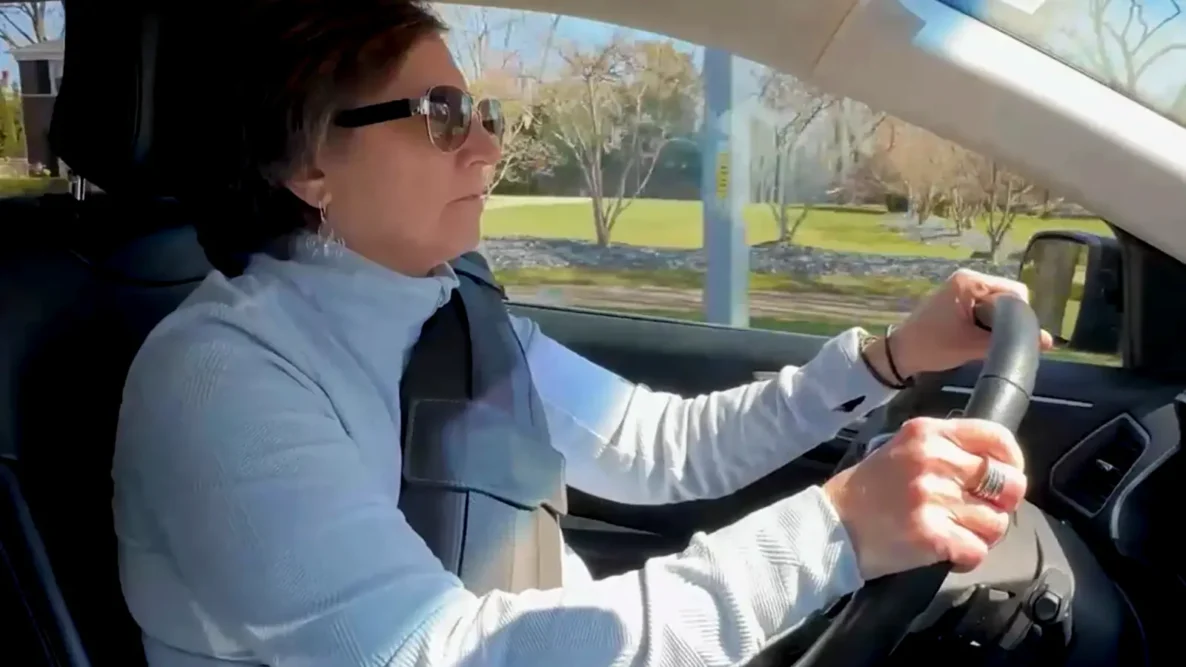
Simoncini has adopted her original SupportBelt prototype as part of her everyday life. “I leave it strapped to the seatbelt in my car and use it every single day,” she said. “I hope that women everywhere who have experienced the same struggles I have get the SupportBelt and find comfort in knowing that this product has been brought to them by a group of people who recognise their battle and know the SupportBelt will help.”
