
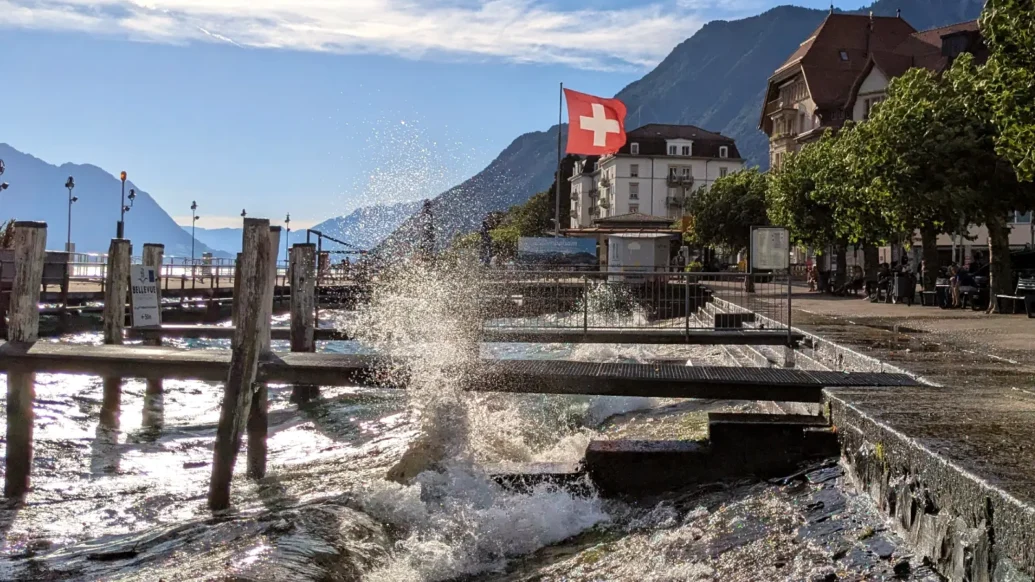
When you think of Switzerland, what springs to mind? Towering snow-capped mountains, and chocolate so decadent it’s practically a national treasure. But what happens when the snow melts, the skis are packed away, and the tourists disperse? The real hidden gems of Switzerland emerge, full of untapped historic towns, and they’re ones that most people never get to see.
Beyond the glossy brochures lies a world of tranquil lakes, medieval villages steeped in history, and off-the-radar mountain peaks where the pace slows and local life takes centre stage. We set out to uncover the Switzerland you won’t find in typical guidebooks, a journey through places where tradition and charm still reign, far from the crowds of the Matterhorn and Lake Geneva.
From historic towns cradled by glacial lakes to alpine adventures with jaw-dropping views, Switzerland’s lesser-known destinations offer a unique kind of magic, and they’re waiting to be discovered.
Switzerland’s Historic Heartbeat
Switzerland may be known for ruthless efficiency, but it’s got a soul, and you’ll find it in its ancient towns and villages. Off the beaten path, Switzerland’s historic towns are brimming with centuries-old stories and architecture that vividly depict the past.
Sursee: A Stopping Point in Time
Our first stop, Sursee, rests quietly on the shores of Lake Sempach, yet its past is anything but tranquil. Inhabited for over 6,000 years, the town has withstood two plagues, two fires that razed large parts of the settlement, and witch trials that saw 58 women and three men put to death. All have left their marks on its cobbled streets and half-timbered houses, which once served as an important stopping point for pilgrims heading from southern Germany to Rome.

A guided tour brings Sursee’s rich history to life and is something we’d recommend, with one highlight being the Town and Market Hall, a stunning building from 1539 that still serves as a local hub for concerts, exhibitions, festivities and even weddings.
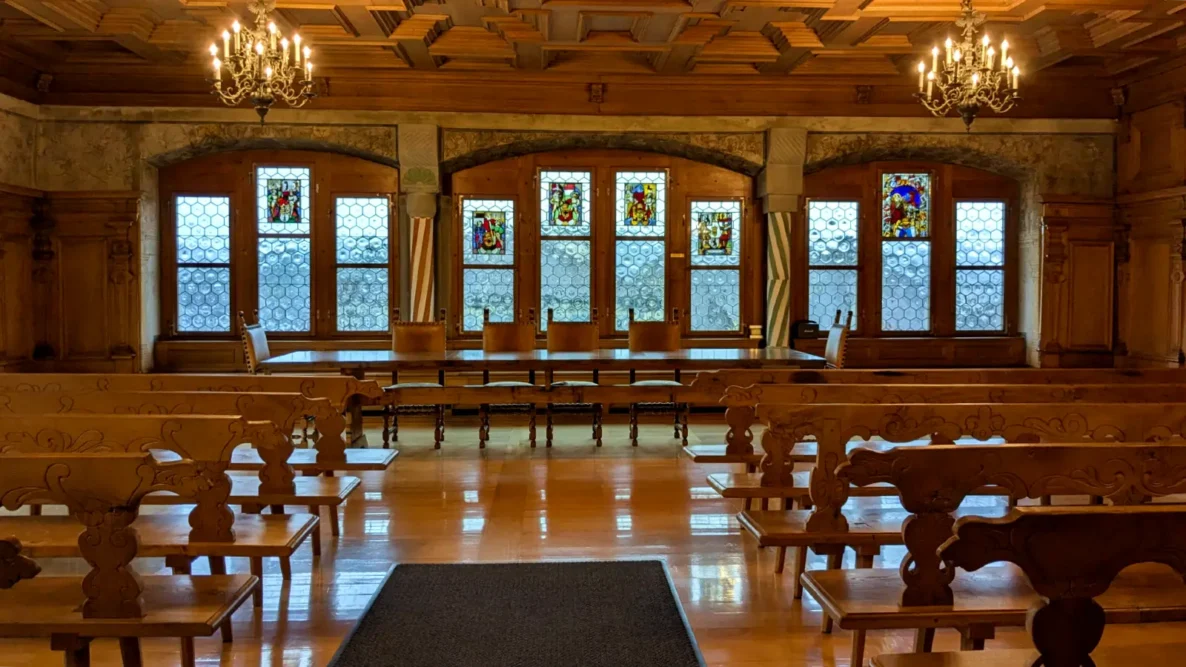
Sursee might have faced its share of trials, but today, it stands as a testament to resilience and charm, offering visitors a chance to walk through a living history book.
Schwyz: Where It All Began
A couple of hours away, nestled in a picturesque valley, lies another of Switzerland’s historic towns, Schwyz—the birthplace of Switzerland itself. This small village is where the 1291 Federal Charter, or Bundesbrief, was signed, laying the foundation for the formation of Switzerland as we more or less know it today.

Despite its monumental role in history, Schwyz has managed to keep a village-like atmosphere, with its 17th-century Town Hall standing proudly in the market square. Built in 1643, it replaced one devastated by fire and, in typically efficient Swiss style, is beautifully painted only on the sides facing the market square. Getting their money’s worth, the seat of justice of Schwyz and the Cantonal Council are also based in the building.
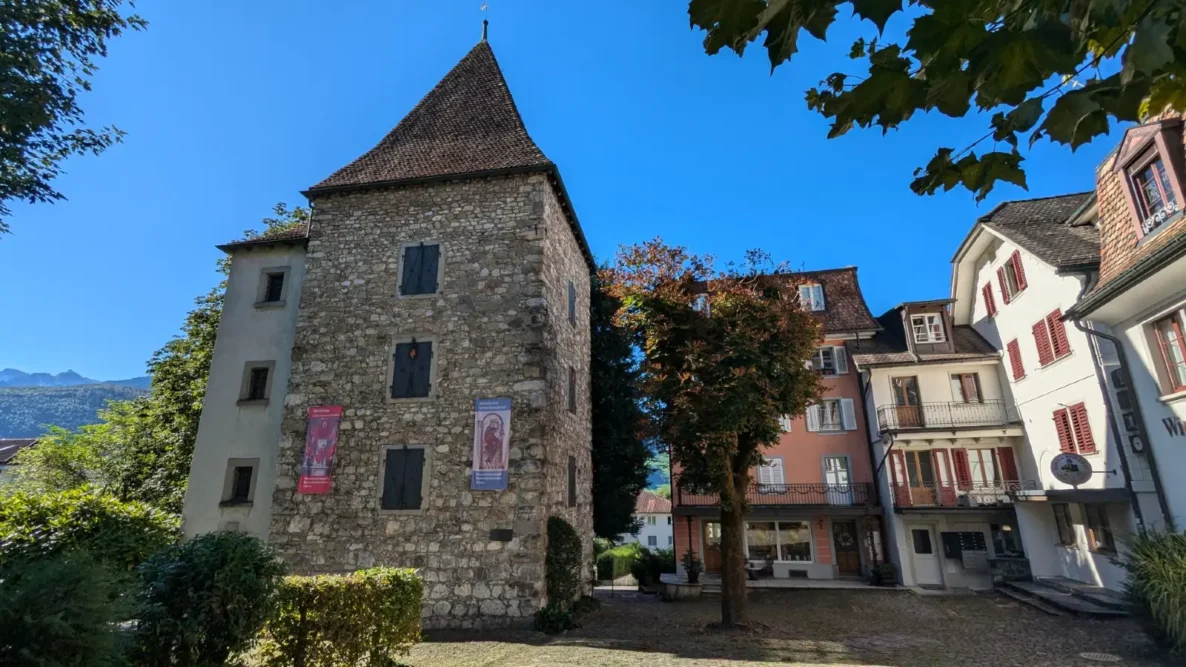
The people of Schwyz are very proud of the part their village played in the formation of modern Switzerland, so it came as a huge surprise to learn that the actual federal charter document signed by Walter Fürst, Werner Stauffacher and Arnold Anderhalden was lost and only rediscovered in the Meyerturm — a 12th-century tower — some 500 years after it was signed. The lost charter was found among the government papers in the tower, quite by chance. I guess admin errors aren’t a 21st-century faux pas after all! It’s now safely on display in the Bundesbriefmuseum.
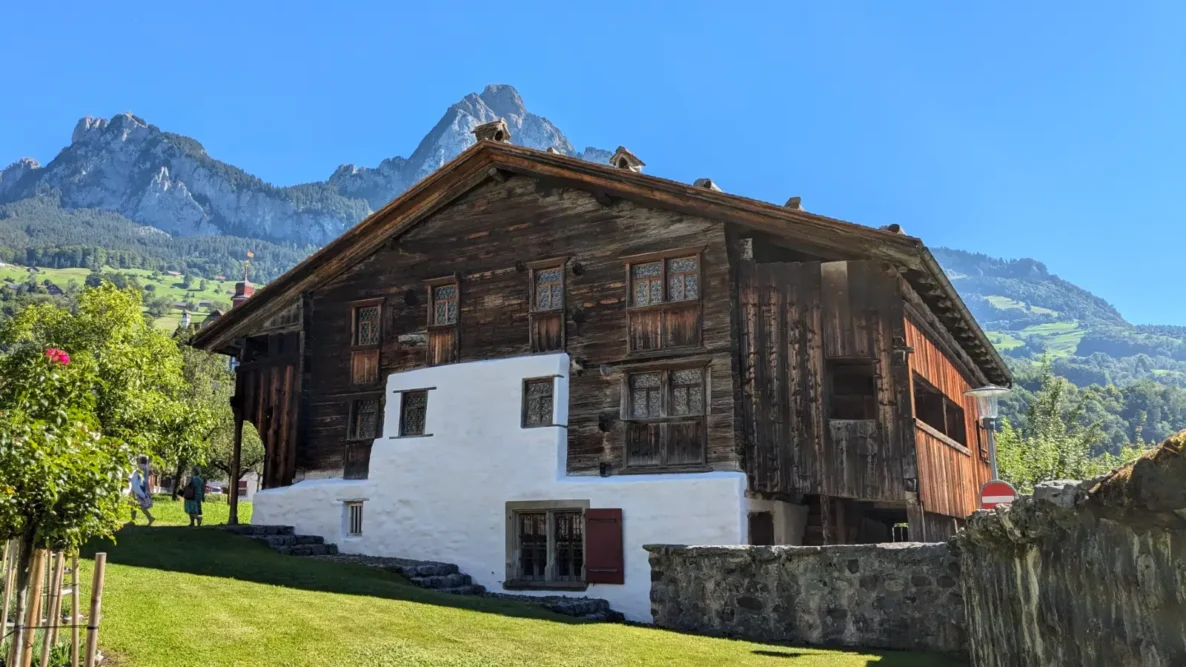
Around every corner in Schwyz, there is something fabulous to see, from the original 14th-century cobblestones that have paved the way for generations of locals and visitors, to Haus Betlehem, which has been standing since 1287 and is one of the oldest wooden houses in Europe.
For a small village, Schwyz’s importance looms large over the country.
Lakeside Escapes and Outdoor Adventures
For those who crave a more active escape, Switzerland’s lakes and mountains provide the perfect playground. Whether paddling across serene waters or hiking alpine trails, there’s a quieter side of Swiss nature to explore.
Nottwil: Paddleboarding and Caribbean Vibes
A couple of stops along the train line from Sursee is the village of Nottwil, a hidden gem nestled on the southern shore of Lake Sempach. It makes great use of its location, combining its proximity to both the lake and the train line to attract visitors from the surrounding area to its standup paddleboarding centre, which is just a few steps from the station platform.

The sun was beaming down, and the water looked very inviting, so we decided to take the plunge — hoping it would not be literal — and try our hands at standup paddle boarding. Having never tried it before, we were a little apprehensive, but we were assured that the water was a balmy 24 degrees, so even if we did fall in, it was at least warm.
Our tuition was minimal: “Put your feet here, not here, and hold the paddle here and here, not here and here.” Following the least in-depth briefing, we were directed to the water, not really much wiser about how to stay afloat. Still, we’d been handed life jackets, so what was the worst that could happen?
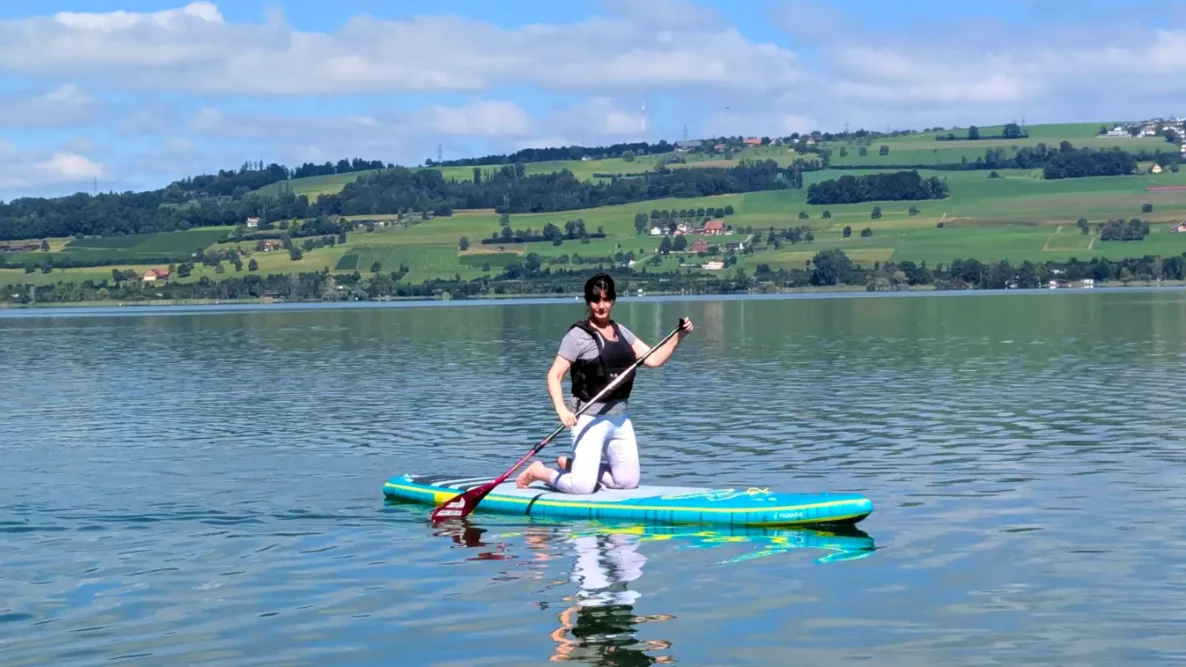
We spent an afternoon trying (and failing) to master SUP, but the experience was unforgettable. Neither ended up in the lake, so we’ll claim that as a win. We might not have found our new hobby, but it was so much fun. Floating on a sun-drenched lake and surrounded by the most incredible scenery, even our wobbly balance couldn’t detract from the beauty of the setting.
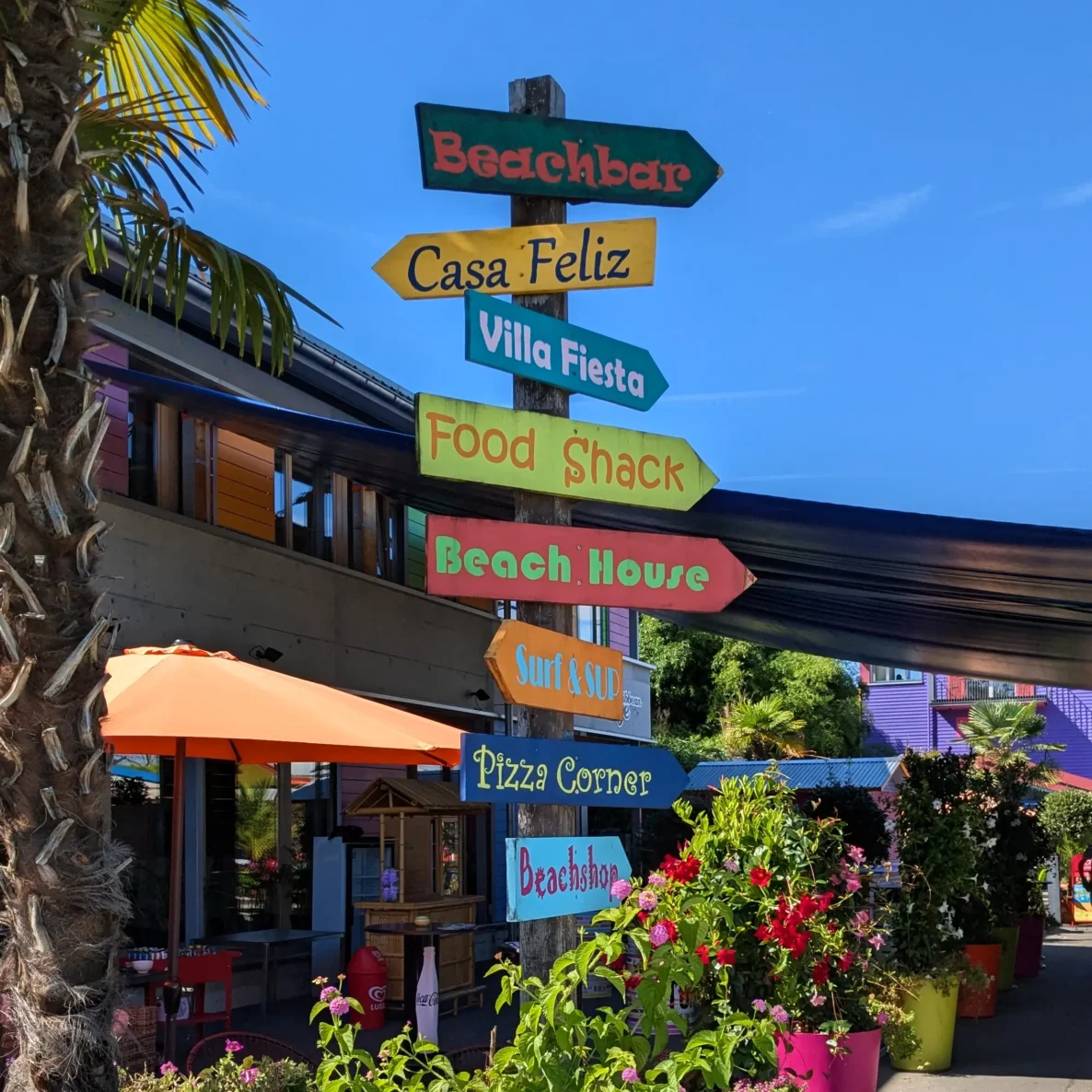

After working up an appetite, we wandered over to Nottwil’s “Caribbean Village,” a quirky lakeside collection of bars and restaurants. It’s hard to resist its rustic charm, especially after a day on the water. It’s ideally placed to enjoy a drink or two and a bite to eat after enjoying the water-based activities on the lake, which we took full advantage of, soaking up just a little more sun before heading back to our hotel.
Rotenflue: A Mountain Escape
From the lakes to the mountains, we took a short bus ride from Schywz to Rotenflue, a less-visited peak in the Schwyz region. Accessible by a 15-minute cable car ride (which costs 46 Swiss Francs, or about £41, for a return ticket), the 1,571-metre high peak of Rotenflue offers panoramic views over Lake Lucerne and its surrounding mountains, making it a paradise for hikers, mountain bikers and nature lovers.

It’s possible to hike to the peak of the famous Grosser Mythen mountain, although the 47 steeply ascending hairpin bends can be rather treacherous. Easier and safer would be the circular hiking trail on the Rotenflue, which is a leisurely hour-long walk suitable for all.
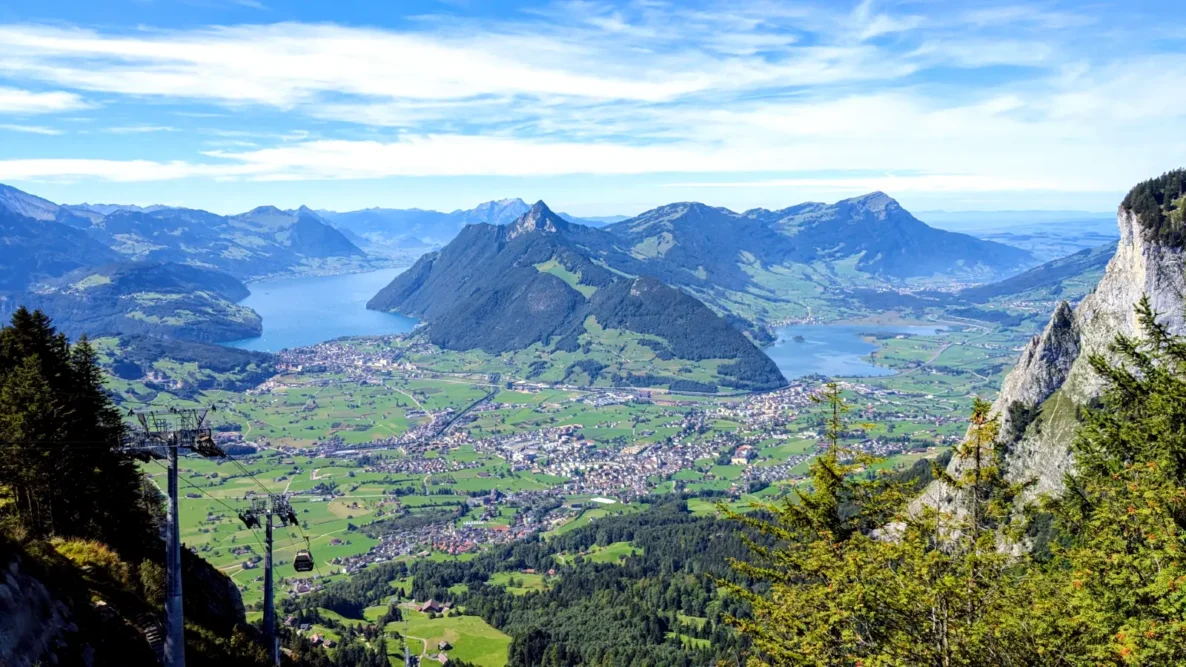
The mountain forms part of the ski area during winter with more than 30 miles of pistes, but we were blessed with clear late-summer skies and sizzling weather, perfect for soaking in the view from the summit’s hidden 360-degree platform — a spot easily missed by many as it’s not well signposted and hidden around the back of the building, in an area that doesn’t look as if it is supposed to be accessible to the public.

After taking in the scenery, we enjoyed a meal at Restaurant Gipfelstubli on the peak. The food was as fabulous as the views, with meals far more satisfying than a simple mountain snack. The German-only menu required opening Google Translate on my phone to ensure we knew what we were ordering, but we ended up ordering glorious gnocchi and perfect pork chops that filled us nicely, ready for some exploring.
City Life, Swiss Style
After exploring Switzerland’s more intimate corners, Lucerne offers a vibrant contrast. Here, you can experience the pulse of modern Swiss life while still surrounded by centuries of history — a settlement has existed at Lucerne since before the fall of the Roman Empire in the 6th century.
It’s a city of 82,000 inhabitants where old and new blend seamlessly. The Kapellbrücke, or Chapel Bridge, is a must-see landmark dating back to the 14th century. It was built to form part of the city’s defences while also spanning the Reuss River to join the divided city.
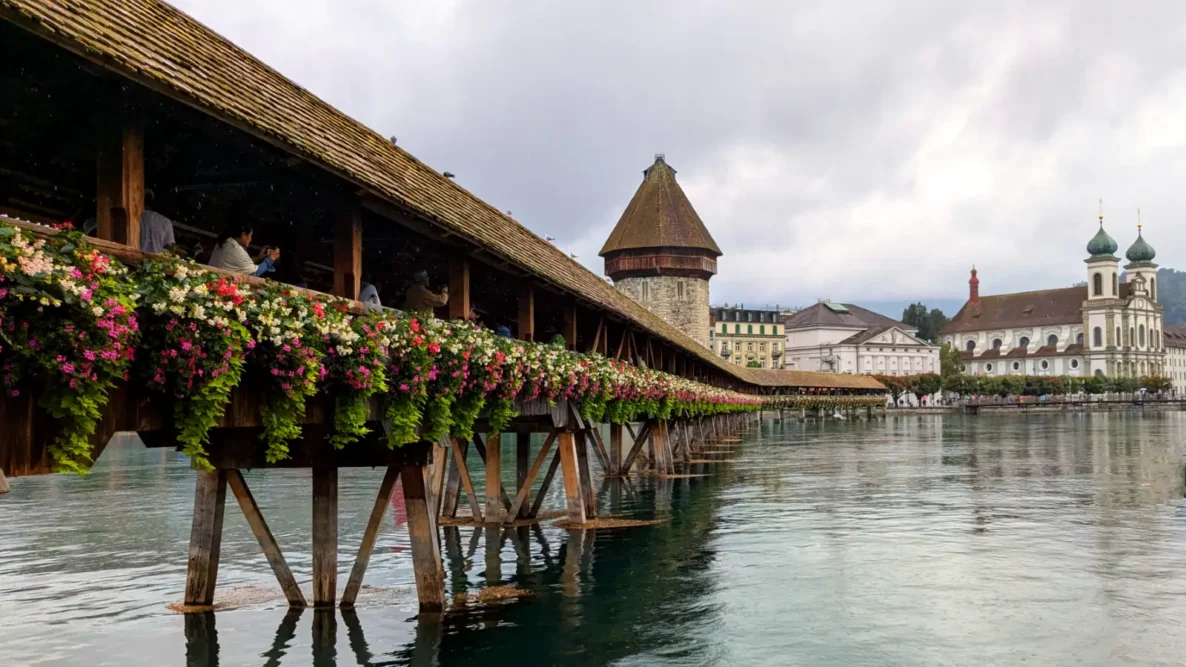
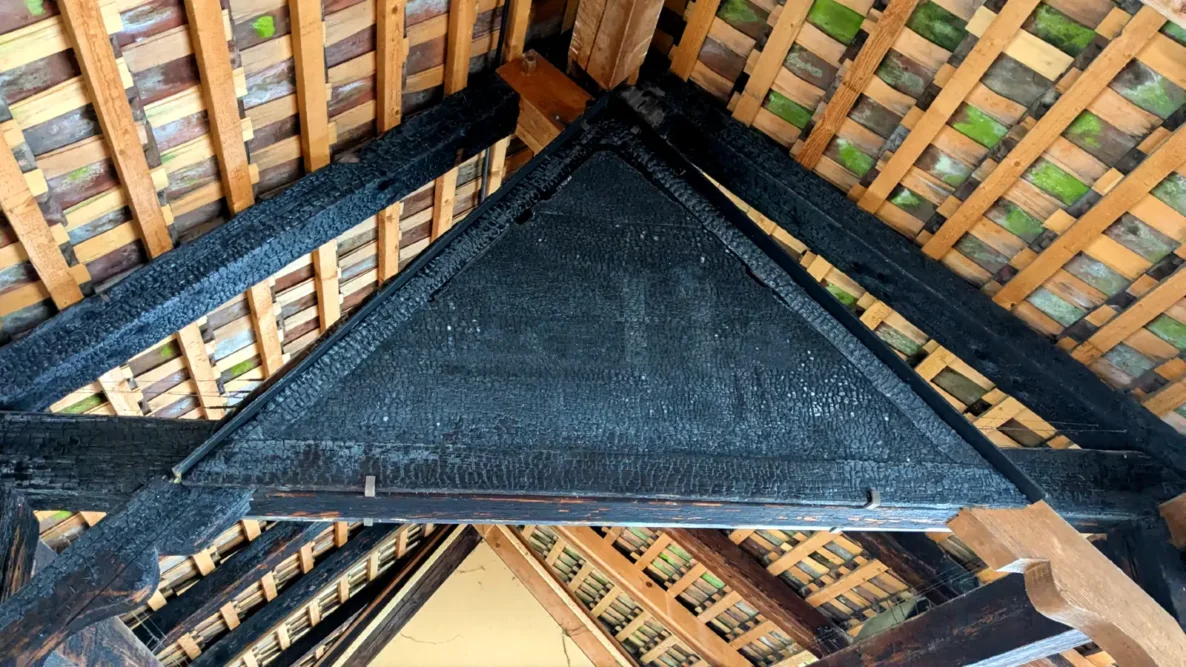
The wooden trusses supporting the roof are adorned with paintings dating back to the 17th century, depicting the history of Lucerne. There were originally 147 painted panels, but a devastating fire in 1993 destroyed a large portion of the bridge, and almost two-thirds were lost.
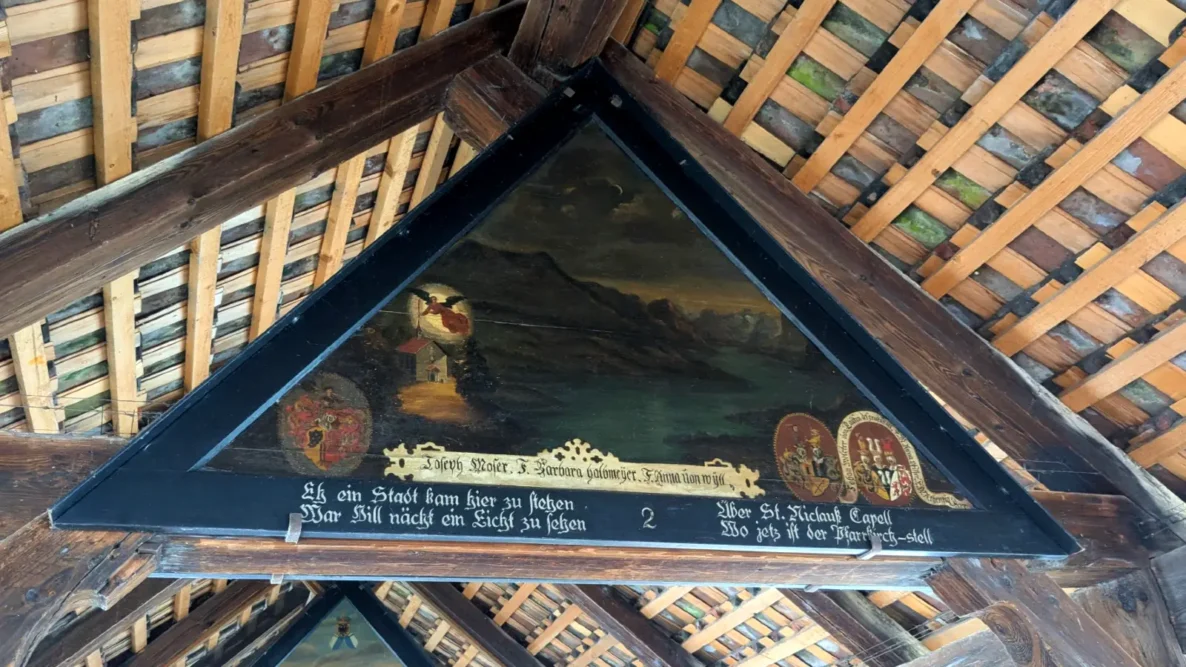
Restoration started immediately, and the bridge reopened just a year later, with some of the artworks restored or replaced. Not forgetting its past, many of the timbers are still charred, reminding visitors of the destruction wrought on the iconic landmark.
Take the time to wander the streets of Lucerne, and you’ll see beautiful architecture with various influences everywhere you look. You’ll find the distinctive and imposing 17th century Jesuit church that was the first in Switzerland to have been built in the Baroque style, or the Wasserturm tower that has served as a brutal torture chamber, a prison, the municipal archive, and the local treasury.
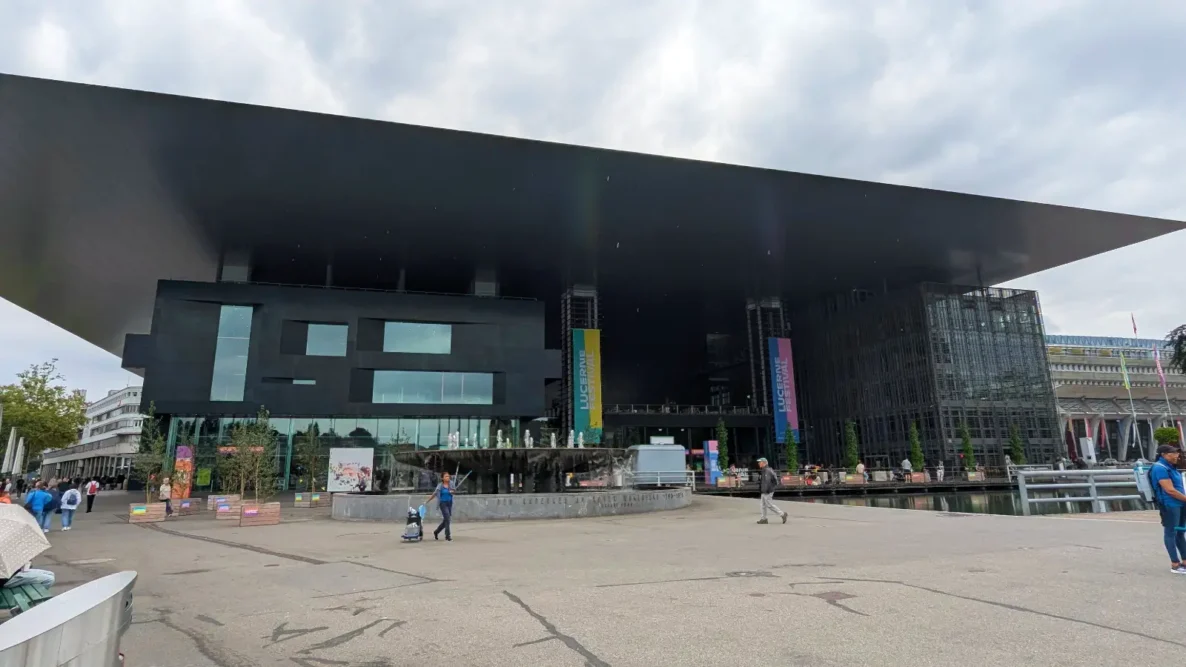
Not all of Lucerne’s attractions are steeped in history, though. The Jean Nouvel-designed Culture and Congress Centre, or KKL as it’s known locally, brings modern flair to the lakefront. Whether attending a concert or simply admiring the building’s sleek design, Lucerne reminds you that Switzerland isn’t stuck in the past.
Getting There: The Journey Begins
There’s no shortage of ways to get to Switzerland from the UK. For those who prefer the scenic route, 18 daily trains from London to Zurich (changing in Paris) give ample opportunity to relax and watch Europe roll by. Fancy a road trip? It’s about an 8.5-hour drive from Calais to Zurich, but if you take a longer route that avoids toll roads, you can weave through France and Germany, perhaps spend a day or two on the journey, and make it as much a part of the trip as the destination.
We, however, chose the fastest option — a quick flight with Swiss Air from London Heathrow, which gets you into Zurich in around 90 minutes. Efficient, if not as picturesque as the alternatives. But that’s where the beauty of Swiss travel steps in. Once on the ground, hopping on a train from Zurich’s airport is seamless, with Swiss precision and reliability living up to its reputation.
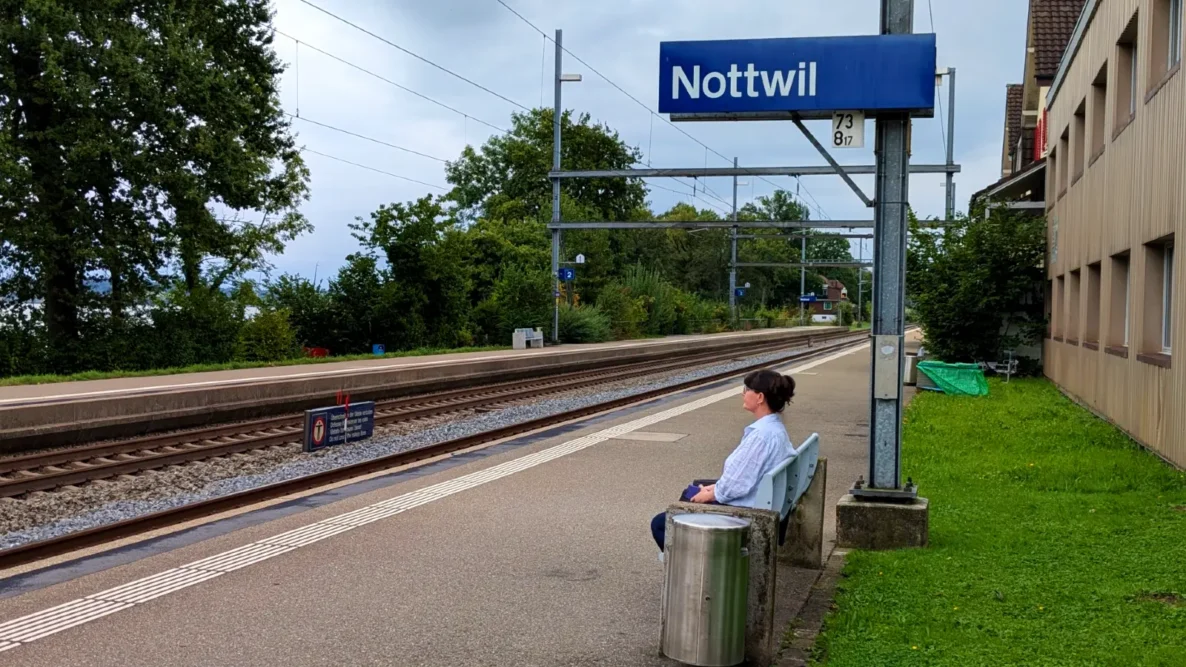
Pro tip: Invest in a Swiss Travel Pass if you plan to travel around the country. It’s your all-access ticket to trains, buses, boats, and even free entry to over 500 museums. It’s not cheap — nothing is in Switzerland! — but it makes travel entirely painless.
Switzerland Discovered
Switzerland is usually seen through the lens of its iconic peaks, luxury watches, and pristine efficiency. But as we found, there’s far more to this remarkable country than meets the eye. Venture beyond the tourist hotspots, and you’ll uncover a Switzerland deeply rooted in history, rich in natural beauty, and refreshingly serene.

Step off the well-worn tourist paths and explore the quieter, hidden corners of this fascinating country, where the breathtaking landscapes are more than just a backdrop — they’re an integral part of everyday life.
