

Art galleries have traditionally been places where people speak in hushed tones, admiring collections of similar types of art in conventionally displayed ways. The Sainsbury Centre, part of the University of East Anglia, aims to revolutionise how we think about and connect with art, forming exhibitions based on questions such as “Can The Seas Survive Us?” to spark debate and conversation around the topics that both unite and divide us.
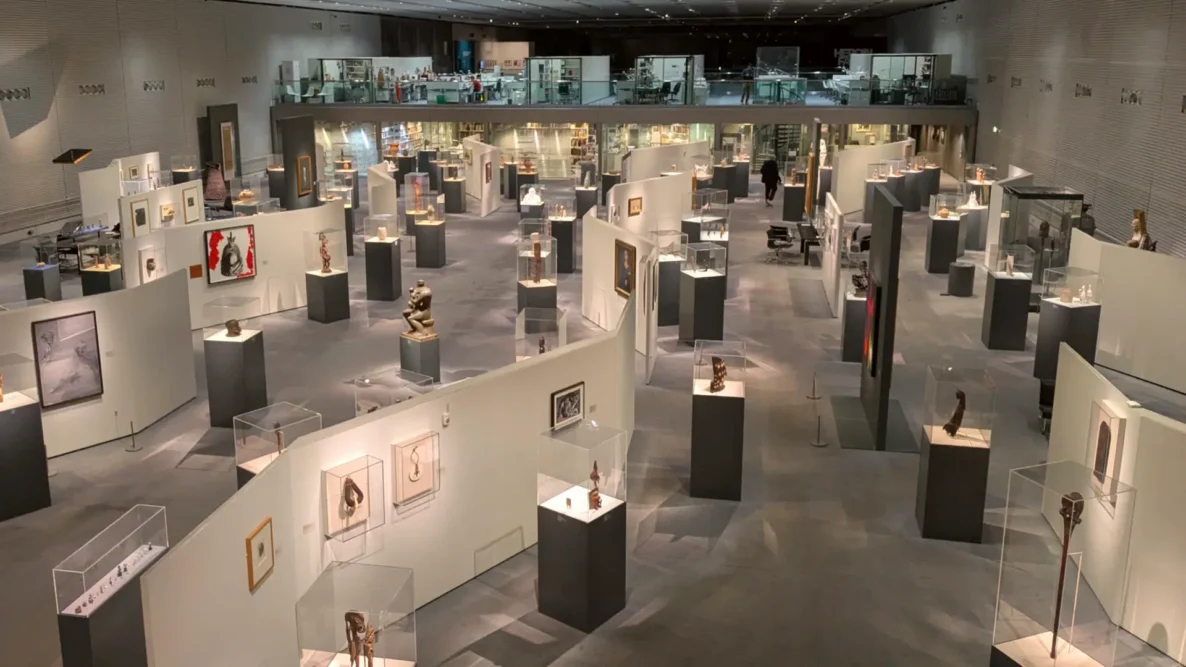
The Sainsbury Centre was established in 1978 to house the art collection of Sir Robert and Lady Lisa Sainsbury. This eclectic, non-conformist collection was groundbreaking, seeking to change how art was experienced by giving an equal platform to all forms of art. The building itself was a first — the first public building to be designed and created by renowned architect and designer Sir Norman Foster.
When Jago Cooper joined The Sainsbury Centre as Director in 2021, he had an even more remarkable vision. Cooper sought to break down the barriers that historically art museums and galleries had built up and to create a different museum model that would allow people to experience the “undescribable human connection” with the art around them. His enthusiasm and passion for the relaunch, which took place in 2023, and the ongoing projects is palpable. And rightly so.

Unlike many museums and galleries, the Sainsbury Centre doesn’t curate exhibitions around art or art history. Instead, it bases exhibitions on human questions that the general public has posed. Previous questions such as “What is Truth?” have paved the way for the upcoming exhibition, which asks, “Can the Seas Survive Us?” The programme will address topics such as the impact of climate change on our future and the important and symbiotic relationship between humans and the oceans.
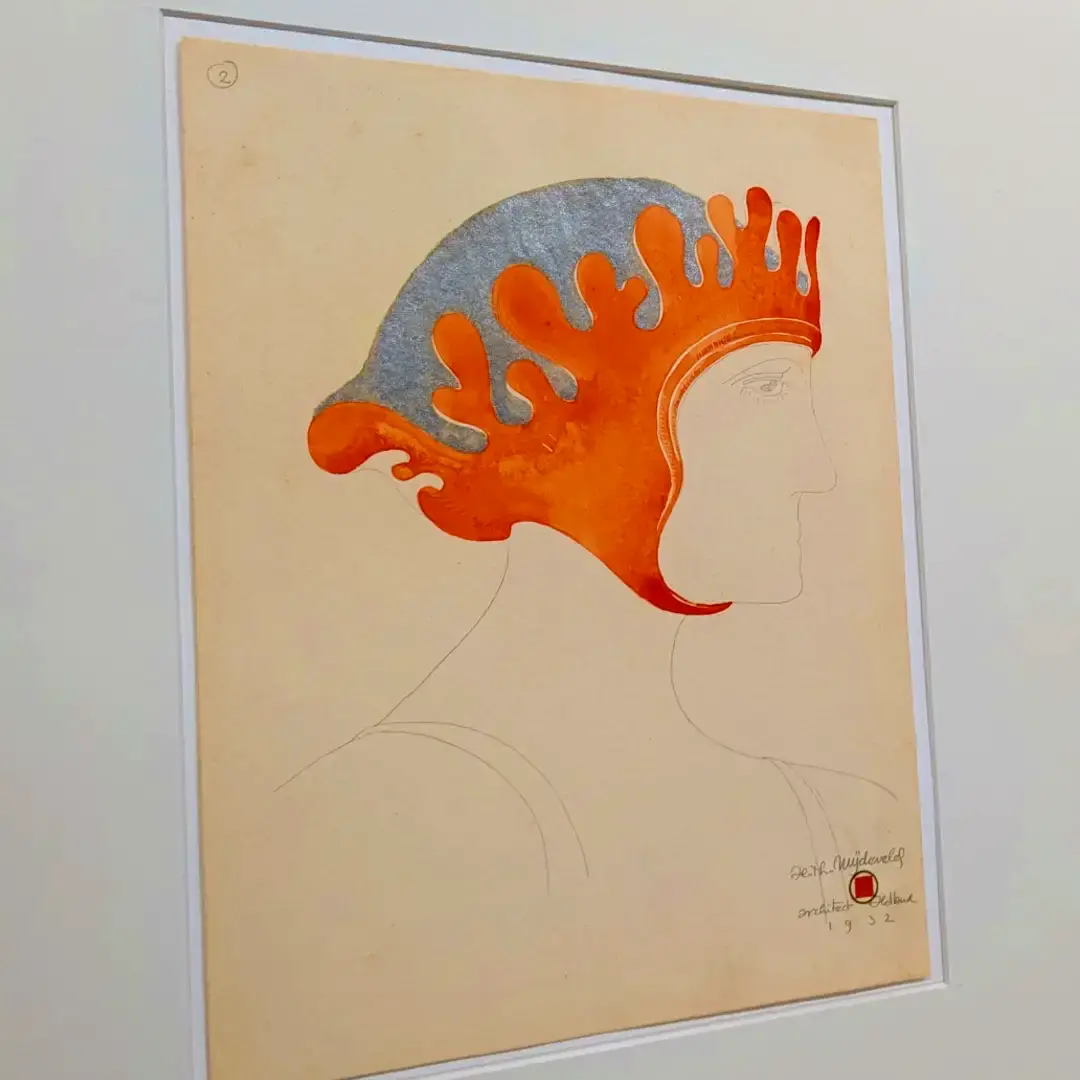

Made up of three different exhibitions — A World of Water (15 March – 3 August 2025), Darwin in Paradise Camp: Yuki Kihara (15 March – 3 August), and Sea Inside (7 June – 26 October), the exhibition programme will bring together works and artefacts from international artists and archives to explore our long and complicated history with the sea.
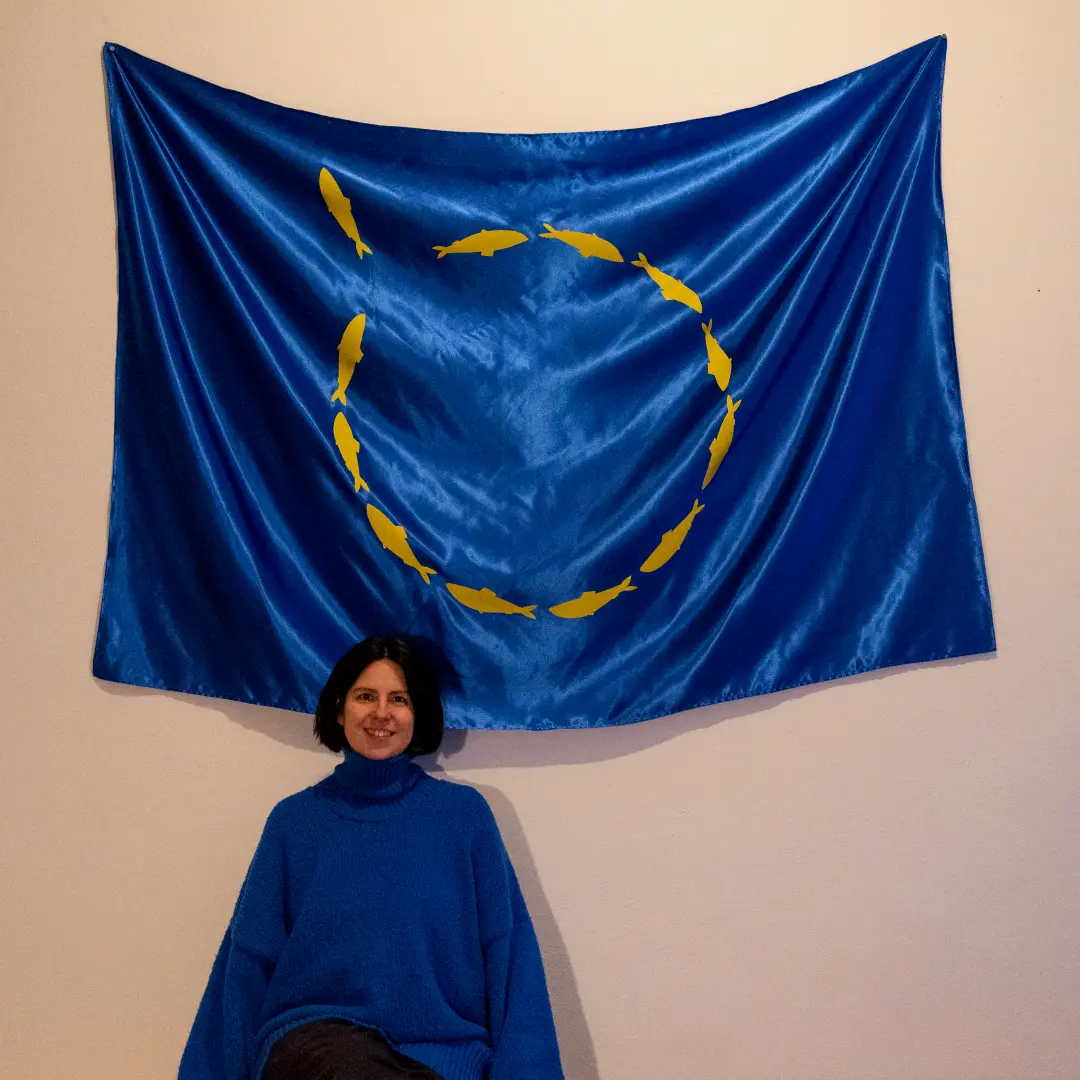
The relationship between the United Kingdom and the Netherlands, and the North Sea that sits between us, has long been an important one. Works from contemporary Dutch artists Boris Maas and Anastasia Eggers will be on display, addressing the rising sea levels that are impacting both countries and the changes in herring fishing communities in the east of England since the UK departed the EU.
Brexit Herring by Anastasia Eggers is a multimedia piece highlighting the challenges faced by those whose economic fate is tied to the sea and the changing geopolitical landscape.
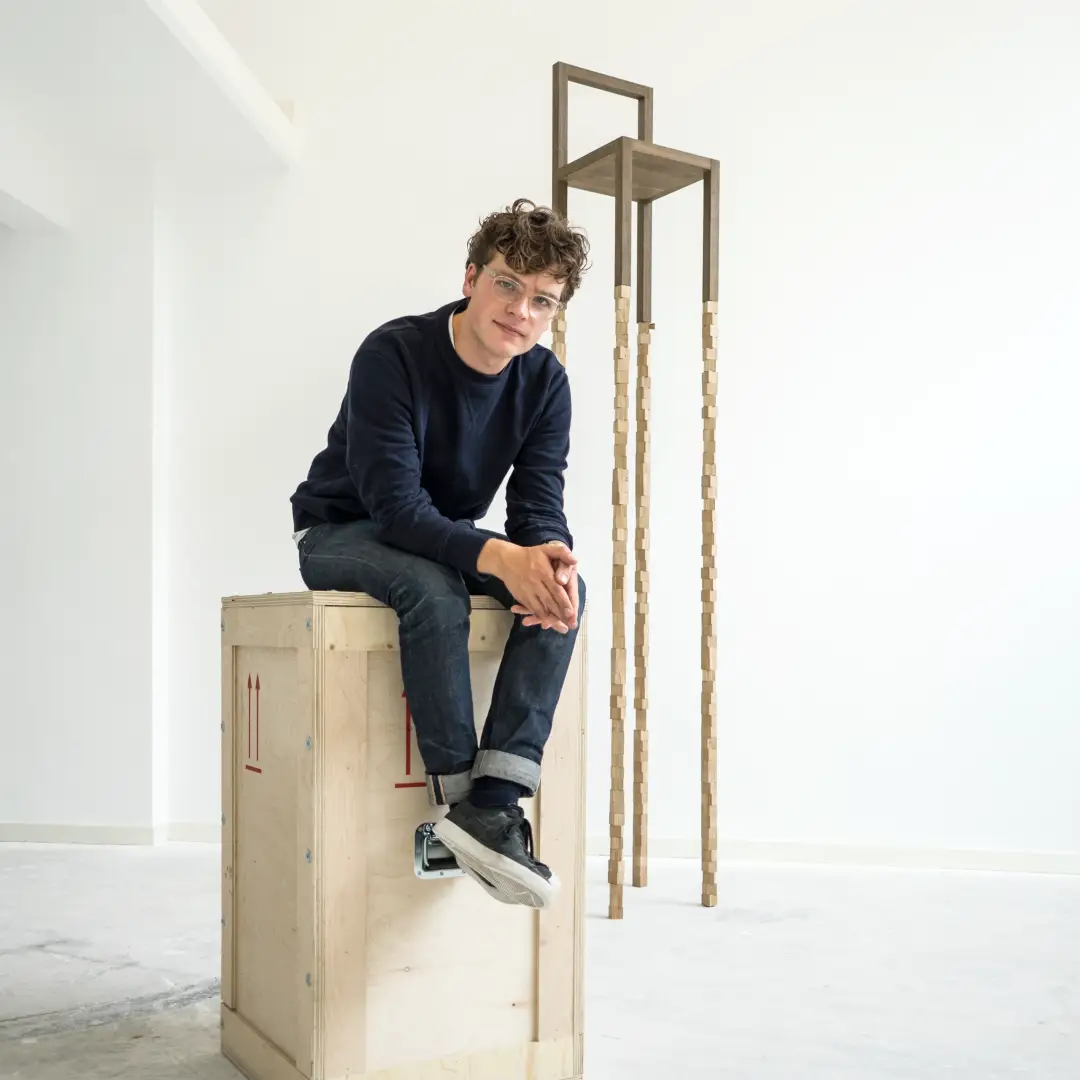
The Urge To Sit Dry is a visually impactful piece by Boris Maas, representing our need to urgently address the problem in order to remain above the rising tides. This thought-provoking addition to the exhibit has been displayed in various settings worldwide since it was first created in 2018, with Maas adjusting the height of the piece to represent the sea level of each place it is shown.
If you’re looking for an exhibition that will challenge, inspire, and maybe even change how you see the world, the Can The Seas Survive Us exhibition runs from March until October at The Sainsbury Centre.
What is it: “Can The Seas Survive Us?” Exhibition
Where to see it: The Sainsbury Centre
When to see it: 15 March – 26 October 2025
