
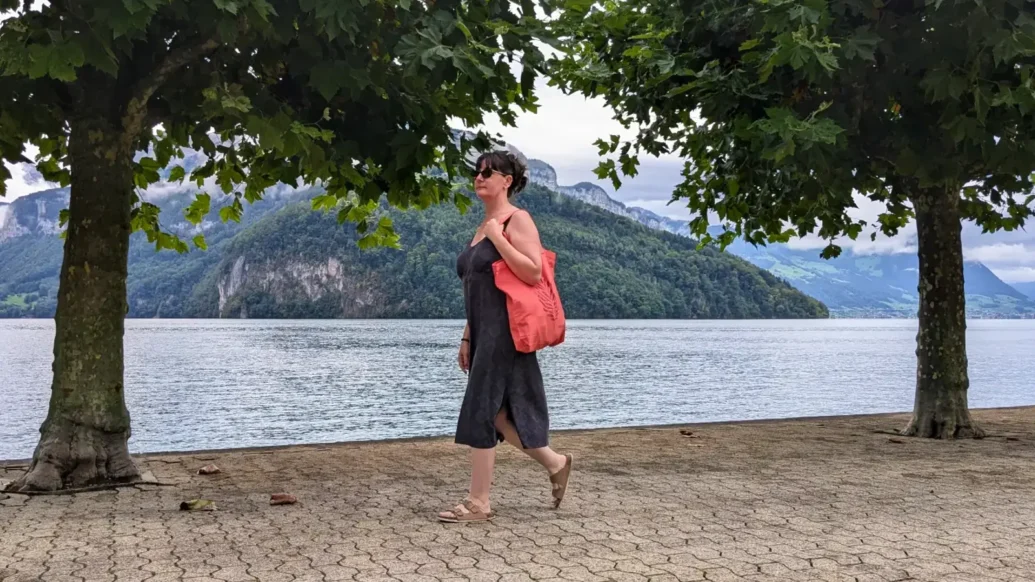
With September upon us and the summer beginning to fade, it’s back to school for the kids and back to some kind of normality for parents. If you’re lucky enough to be heading for a little bit of late summer or winter sun, you can pep up your wardrobe and help underprivileged kids in Nepal gain access to education, thanks to the efforts of Sherpa Adventure Gear.
Founded in 2003 by Tashi Sherpa, the brand is inspired by the rich culture of the Nepalese people and their welcoming nature towards everyone they meet. Not only did Sherpa want to create a range of adventure and lifestyle wear that would have broad appeal, he wanted to be able to do it in the most environmentally sustainable way possible.
While its environmental conscience and ethical standards are to be applauded, Sherpa Adventure Gear has made it its mission to educate the children of Nepal and give employment to their parents. For the children the goal is to provide 10 million school days for Nepalese children by 2030.
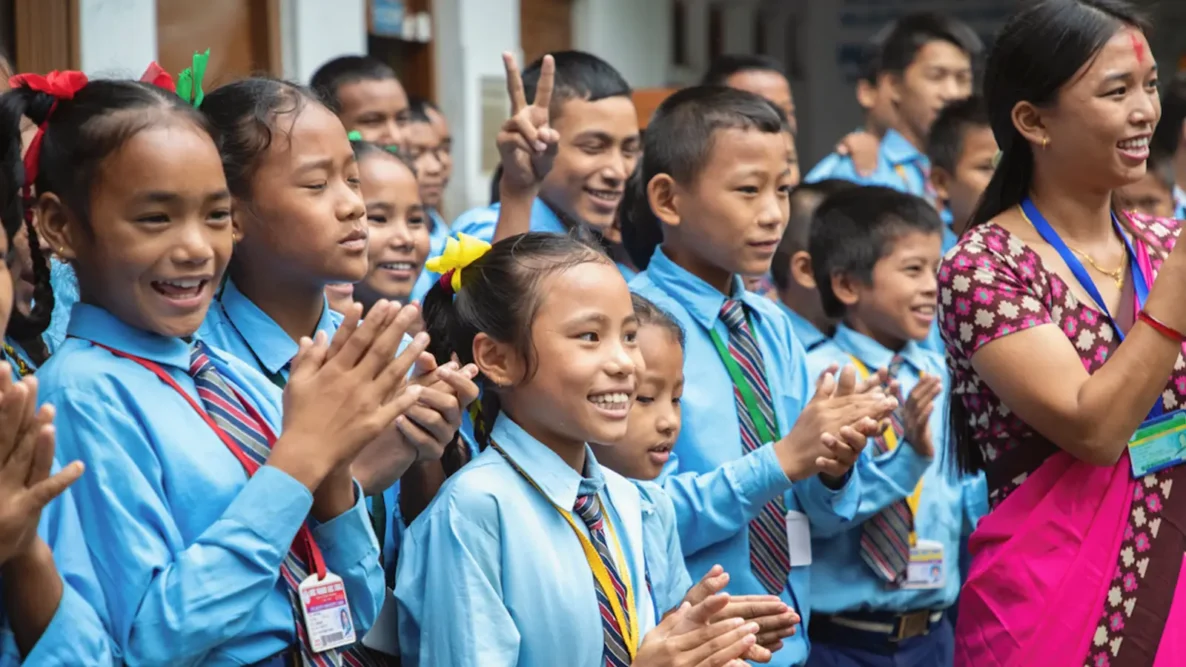
Sherpa Adventure Gear’s vision is “to inspire lives of adventure by exploring new lands and opening minds through learning,” which it aims to do with every product it sells. Initially, Tashi Sherpa and the Sherpa family launched a scholarship program that funded educational scholarships for nine children in Nepal. The initiative enabled children from remote villages to access fully funded education in Kathmandu — something that would not have been possible without the scheme.
More recently, the scholarship scheme has been superseded by Room to Read, run by the Nepal Education Program. This new initiative means that the donations made by Sherpa Adventure Gear can improve the lives of children who are at a higher risk of dropping out of school due to cultural bias, a lack of educational resources, and, for girls, pressures to marry. More than a third of them marry before they turn 18, and 7% before they are 15.
In Nepal, 56% of girls are illiterate, with 159,000 primary school-age children not attending any school. Education for girls isn’t seen as being important, so they drop out of school at a much higher rate than boys.
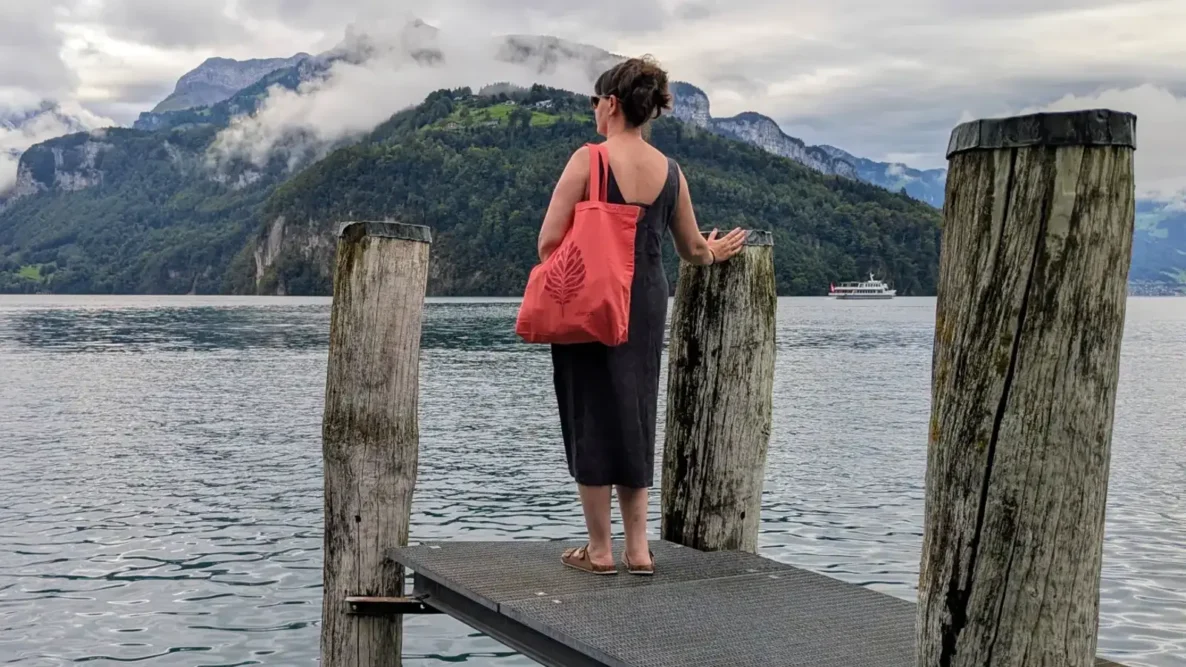
Don’t think of it as shopping for a late-season bargain; think of it as your good deed for the day – after all, empowering children, particularly young girls, with education has to be a good thing.
